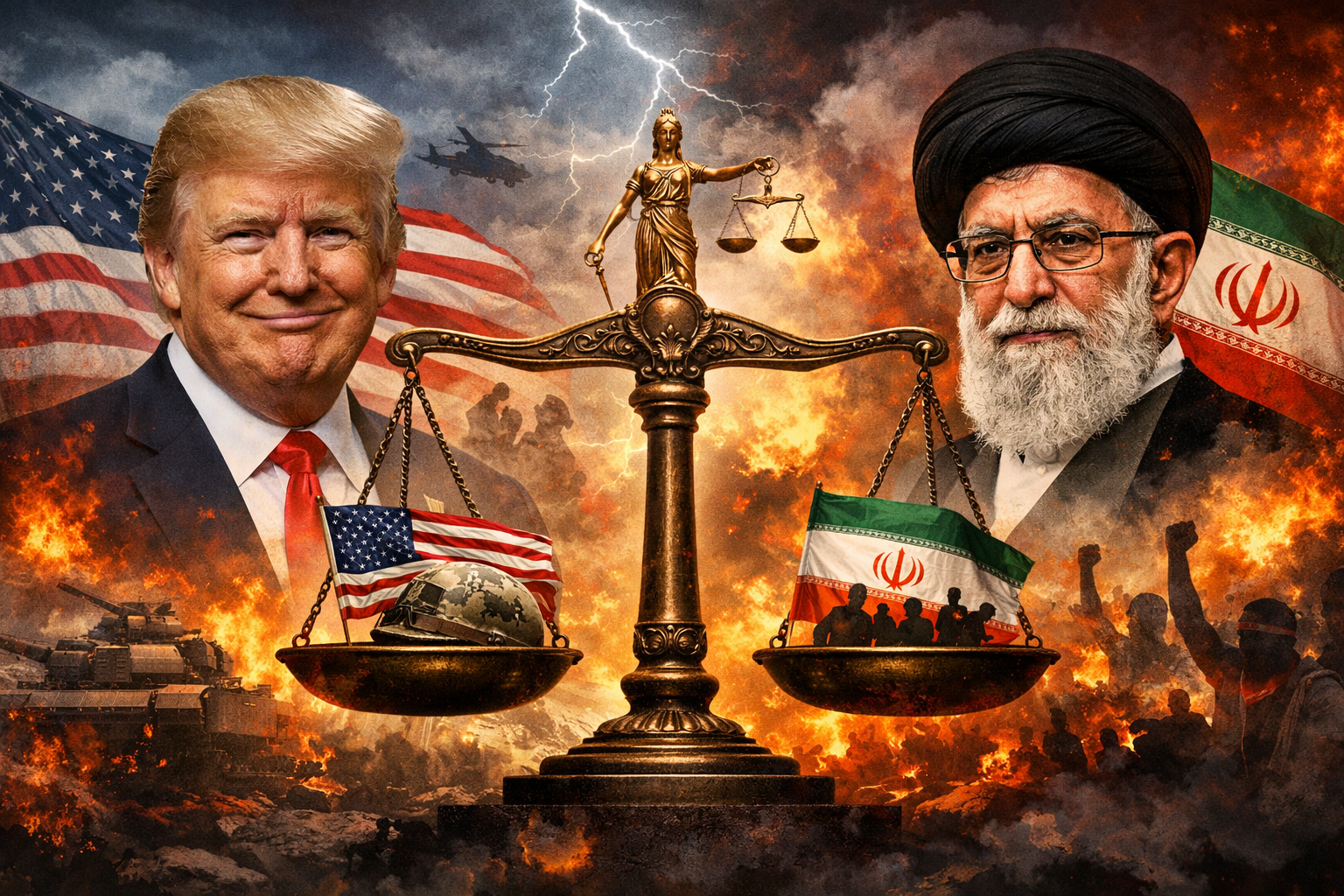
The debate over Donald Trump foreign policy and US and Iran relations continues to shape global political discussions. At the center of this debate lies a deeper and more uncomfortable question: Can a nation that struggles to protect its own citizens claim moral authority in global politics?
A nation’s primary responsibility has always been the protection of its people. This principle applies regardless of political ideology or governing system. Yet the modern debate surrounding American democracy and human rights increasingly raises concerns about whether domestic stability and public safety are being fully maintained within the United States itself.
The United States has historically positioned itself as a leader in defending democracy and promoting human rights across the world. Discussions surrounding US global leadership debate often highlight America’s role in addressing international conflicts and security threats. However, recurring domestic tragedies, including gun violence and deaths connected to civil unrest, have led critics to question the country’s US moral authority in global politics.
Supporters of American leadership often argue that the United States differs from authoritarian governments because it addresses internal crises through legal systems, public accountability, and democratic reform. While this distinction is important, critics continue to examine whether internal failures weaken America’s position in the ongoing ethics of international intervention debate.
This issue becomes particularly visible when examining human rights criticism of Iran. International organizations and Western governments have raised serious concerns regarding Iran protest human rights issues, especially following reports of violence against demonstrators. The United States has taken a strong stance in condemning Iran’s actions, often framing these events as violations of global human rights standards.
Yet critics argue that the US foreign policy hypocrisy debate emerges when nations criticize others while facing unresolved domestic challenges. The discussion is not about comparing casualty numbers between countries. Instead, it focuses on whether governments can maintain credibility in global human rights advocacy while confronting US domestic violence and political responsibility within their own borders.
The relationship between national interest and international responsibility remains one of the most complex elements of global politics. Under Donald Trump foreign policy, debates intensified over whether the United States should prioritize national sovereignty and strategic advantage or continue acting as a global moral leader. These tensions became particularly visible in discussions about US and Iran relations, which combined security concerns, economic sanctions, and ideological conflict.
Ultimately, true leadership in international affairs requires more than military strength or economic influence. Sustainable authority in global politics depends on how effectively a nation protects its own citizens while advocating universal values abroad. Without domestic stability, claims of international moral leadership risk appearing inconsistent or politically motivated.
The ongoing discussion surrounding Donald Trump, Iran, and global human rights challenges highlights a universal question faced by all nations: Can a country truly lead the world in justice and security if it cannot fully guarantee safety and dignity for its own people?
'보노루 > BoNo more..' 카테고리의 다른 글
| 2026년 설날 인사말 모음 30선: 병오년 붉은 말의 해 문구 및 이미지 가이드 (0) | 2026.02.12 |
|---|---|
| [2026년] 소상공인 경영안정 바우처 신청 현황 및 자격요건 총정리 (구. 부담경감 크레딧) (0) | 2026.02.10 |
| 🚨 이재명 행정수도 이전 공약, 또 다시 헌재 판결을 무시한 세금 폭탄?! 💥 강력 반대! 💸 (지금은 경제 안정에 집중해야!) (3) | 2025.04.18 |
| 이완규·함상훈 지명 철회 결의안 통과, 그 의미는? (2) | 2025.04.15 |
| 2025년 제주, 드라마 '폭싹 속았수다'와 탐나오로 '폭싹' 빠져들다! 역대급 제주 여행 꿀팁 대방출! (3) | 2025.03.26 |


댓글